
MyDIGITAL Blueprint: Progress and Key Milestones
Understanding Malaysia’s comprehensive digital transformation roadmap and government initiatives driving the technology sector forward.
Read MoreHow digital payments, blockchain, and innovative financial services are reshaping Malaysia’s banking landscape

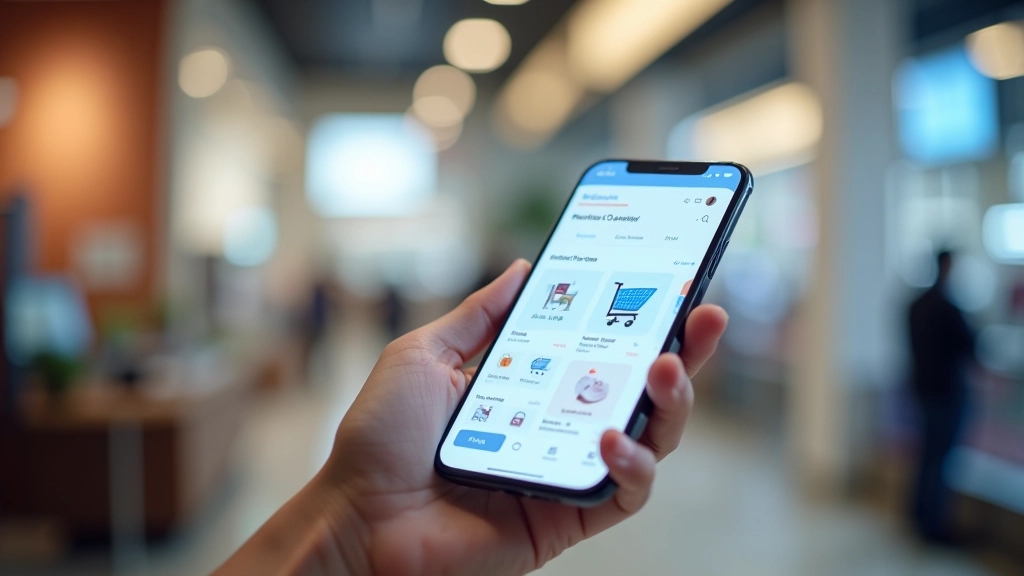
Malaysia’s fintech sector isn’t just growing — it’s transforming how everyday people manage their money. Over the past five years, digital payment adoption has accelerated dramatically, with more Malaysians embracing e-wallets, online banking, and peer-to-peer transfers than ever before.
The numbers tell a compelling story. Mobile payment transactions surged from 340 million in 2020 to over 1.2 billion by 2025. That’s not a gradual shift — it’s a complete reimagining of how financial services work in the country. What’s driving this change? A combination of government support through the MyDIGITAL blueprint, younger demographics comfortable with technology, and traditional banks finally getting serious about digital transformation.
We’re seeing fintech companies challenge established banking models, cryptocurrency gaining mainstream acceptance among investors, and regulatory frameworks evolving to accommodate innovation. It’s creating real opportunities for both consumers and entrepreneurs.


Today’s fintech adoption in Malaysia breaks down into several distinct categories. E-wallet usage has become mainstream — services like Grab Pay, Touch ‘n Go, and GCash are used by roughly 70% of urban Malaysians. That wasn’t the case just three years ago.
Digital banking adoption is equally impressive. Online-only banks and digital-first financial services are attracting younger customers who don’t need physical branches. They’re drawn to lower fees, better interest rates, and the convenience of managing finances entirely through their phones.
What’s particularly interesting is how adoption varies by demographic. Kuala Lumpur and Selangor lead the way with digital penetration rates above 75%, while rural areas are catching up faster than anyone expected. The gap is narrowing because fintech companies are actively building solutions for underserved markets.
The fintech revolution isn’t happening by accident. Three core technologies are reshaping Malaysia’s financial services ecosystem.
Malaysia’s approach to crypto is pragmatic. Rather than banning digital assets, regulators created frameworks that let companies operate safely. Bitcoin and Ethereum trading volumes have increased steadily, and several Malaysian startups are building blockchain solutions for supply chain and identity verification.
Banks are using AI for fraud detection, credit scoring, and personalized financial recommendations. These systems process thousands of transactions daily, identifying patterns humans would miss. The result? Faster approvals and better security for customers.
Bank Negara Malaysia’s open banking framework allows third-party developers to build on top of traditional banking infrastructure. This creates an ecosystem where smaller fintechs can integrate with established banks, accelerating innovation without reinventing the wheel.


Bank Negara Malaysia’s approach to fintech regulation is refreshingly progressive. Rather than creating barriers, they’re actively facilitating innovation while maintaining consumer protection standards.
The regulatory sandbox program is a perfect example. It allows startups to test new financial products with real customers in a controlled environment. Since launching, over 100 companies have participated, and many have graduated to full licenses. This isn’t just bureaucratic red tape — it’s actual support for the ecosystem.
The government’s MyDIGITAL blueprint specifically targets financial services as a growth area. Incentives include tax breaks for tech investments, fast-track licensing for qualified companies, and funding support for promising startups. The message is clear: Malaysia wants to be a fintech hub, and they’re backing it with real resources.
“The fintech sector’s growth isn’t an accident — it’s the result of thoughtful policy that balances innovation with consumer protection.”
— Bank Negara Malaysia Statement, 2025
Malaysia’s major banks aren’t sitting idle watching fintechs disrupt their business. They’re actively modernizing, and many are winning customers back through improved digital services.
The result is healthy competition. Fintechs push traditional banks to innovate, while banks provide stability and reach that pure-play fintechs struggle to match. Consumers benefit from better products and lower costs across the board.
Looking ahead, several trends are likely to shape Malaysia’s fintech landscape. Adoption will continue expanding into rural areas as internet connectivity improves. We’re also seeing growing interest in Islamic fintech products that comply with Shariah principles — an underutilized opportunity given Malaysia’s Muslim majority and the broader Islamic finance market.
Cross-border payments are another area with massive potential. Malaysia’s position as a trade hub means businesses need efficient ways to move money internationally. Fintech solutions that simplify this process will likely see explosive growth.
Finally, financial inclusion remains a key focus. While urban adoption is strong, there’s still work to do reaching underbanked populations in smaller towns and rural areas. The companies that solve this problem will unlock significant value and impact millions of lives.

This article provides educational information about fintech adoption rates and Malaysia’s financial technology sector. It’s based on publicly available data and industry reports current as of March 2026. The information presented is intended to help readers understand market trends and regulatory developments, not to provide financial advice or investment recommendations. Financial circumstances vary widely by individual — factors like risk tolerance, time horizon, and personal goals all matter significantly. If you’re considering any financial decisions related to fintech products, digital banking, or cryptocurrency investments, we strongly recommend consulting with qualified financial advisors or professionals who understand your specific situation. Market conditions change rapidly, and what’s true today may shift tomorrow. Always do your own research and verify current information before making decisions.